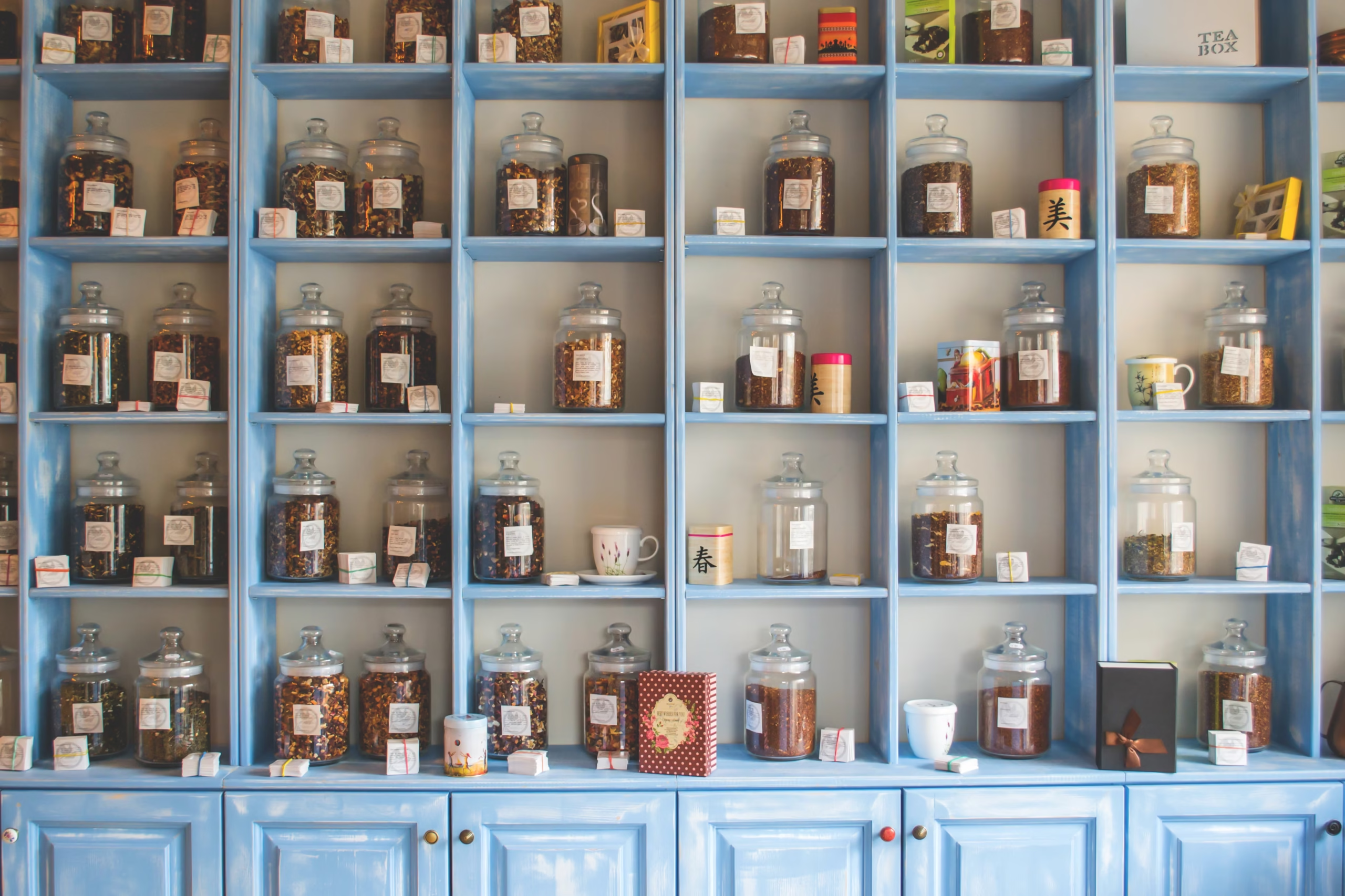
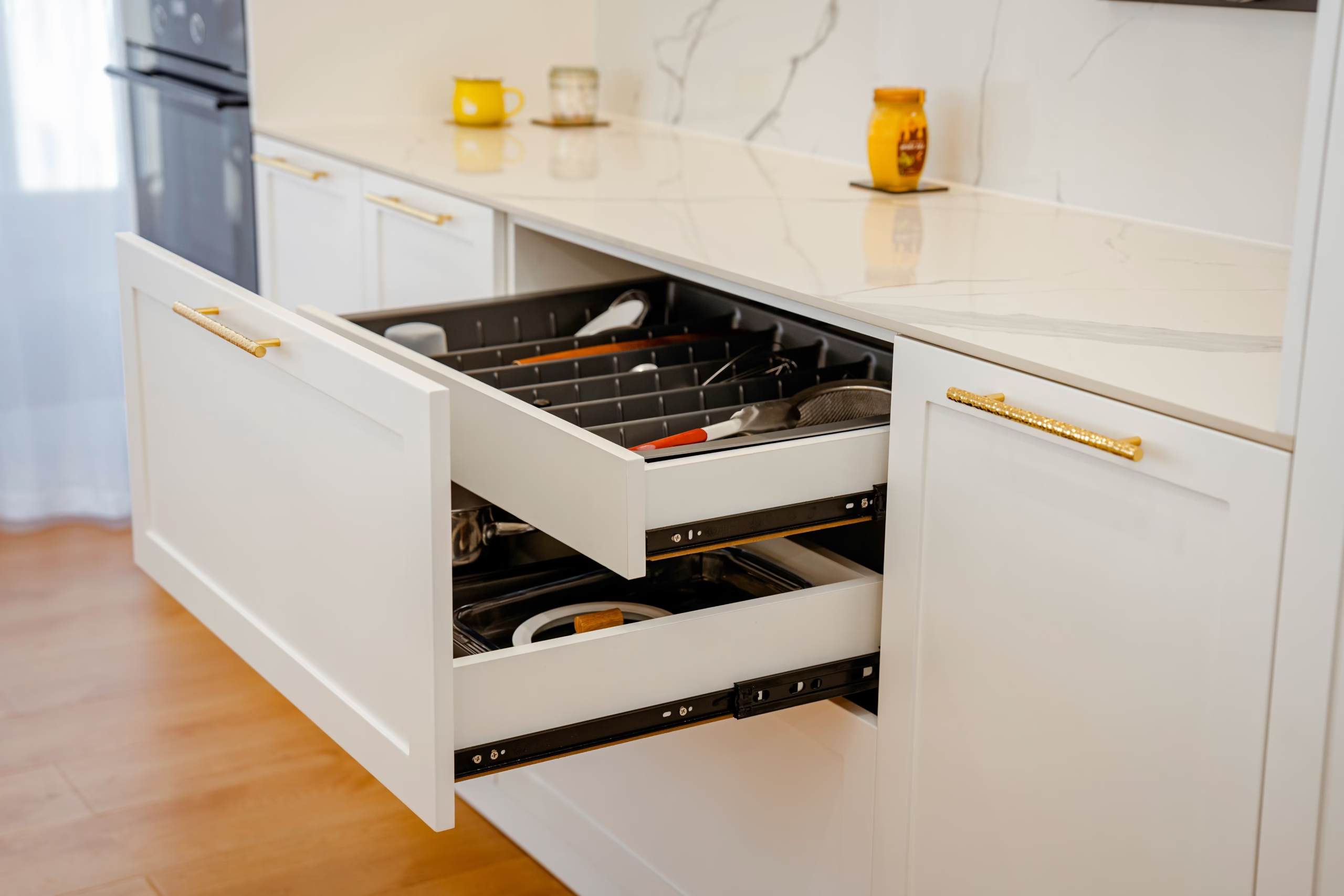
The easiest systems are the ones that match real routines. Store items near where they are used, group related products together and choose containers that make contents visible.
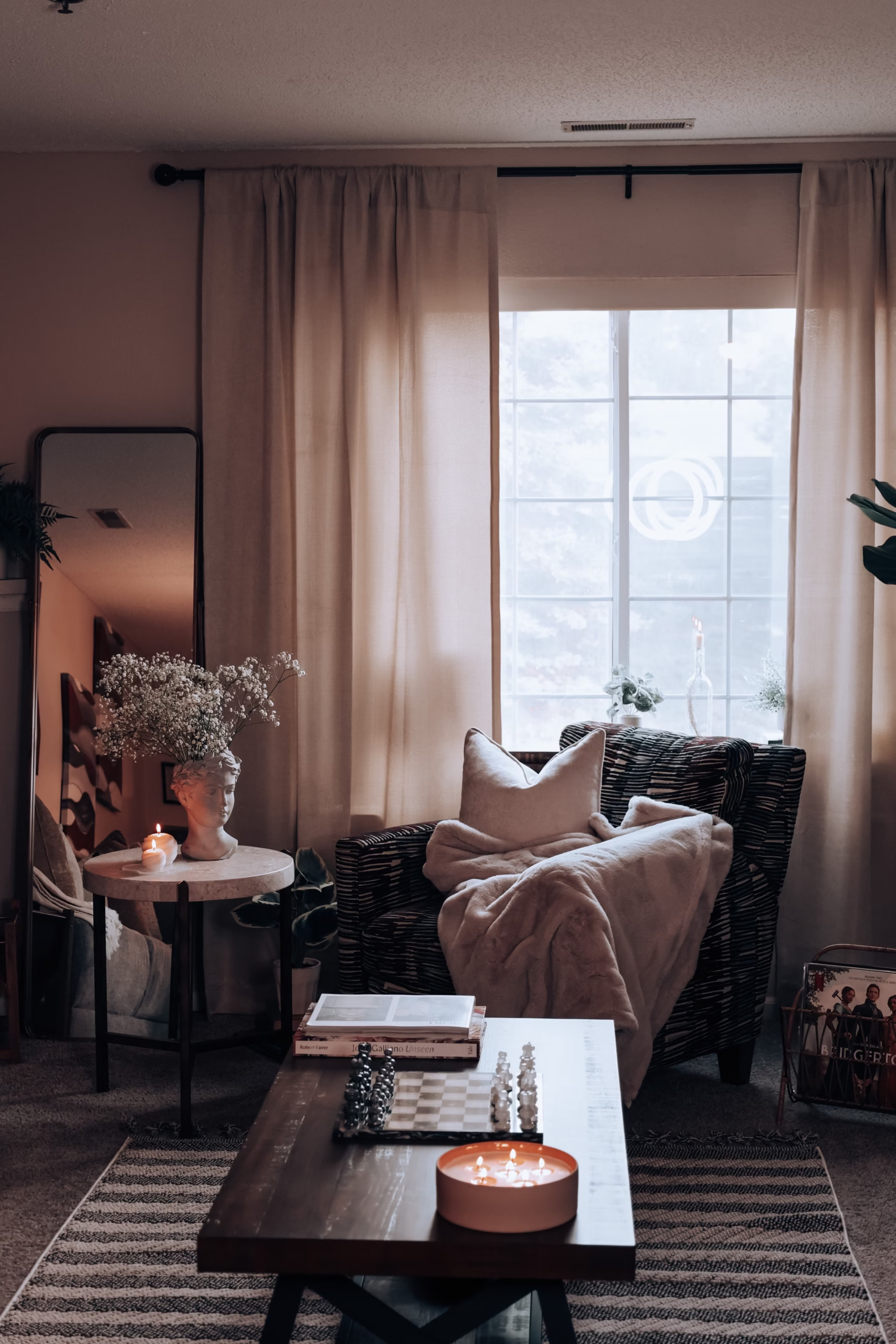
Seasonal updates can be subtle. Changing textiles, moving a few decorative pieces and adding one or two useful accessories can refresh a room without creating more clutter.
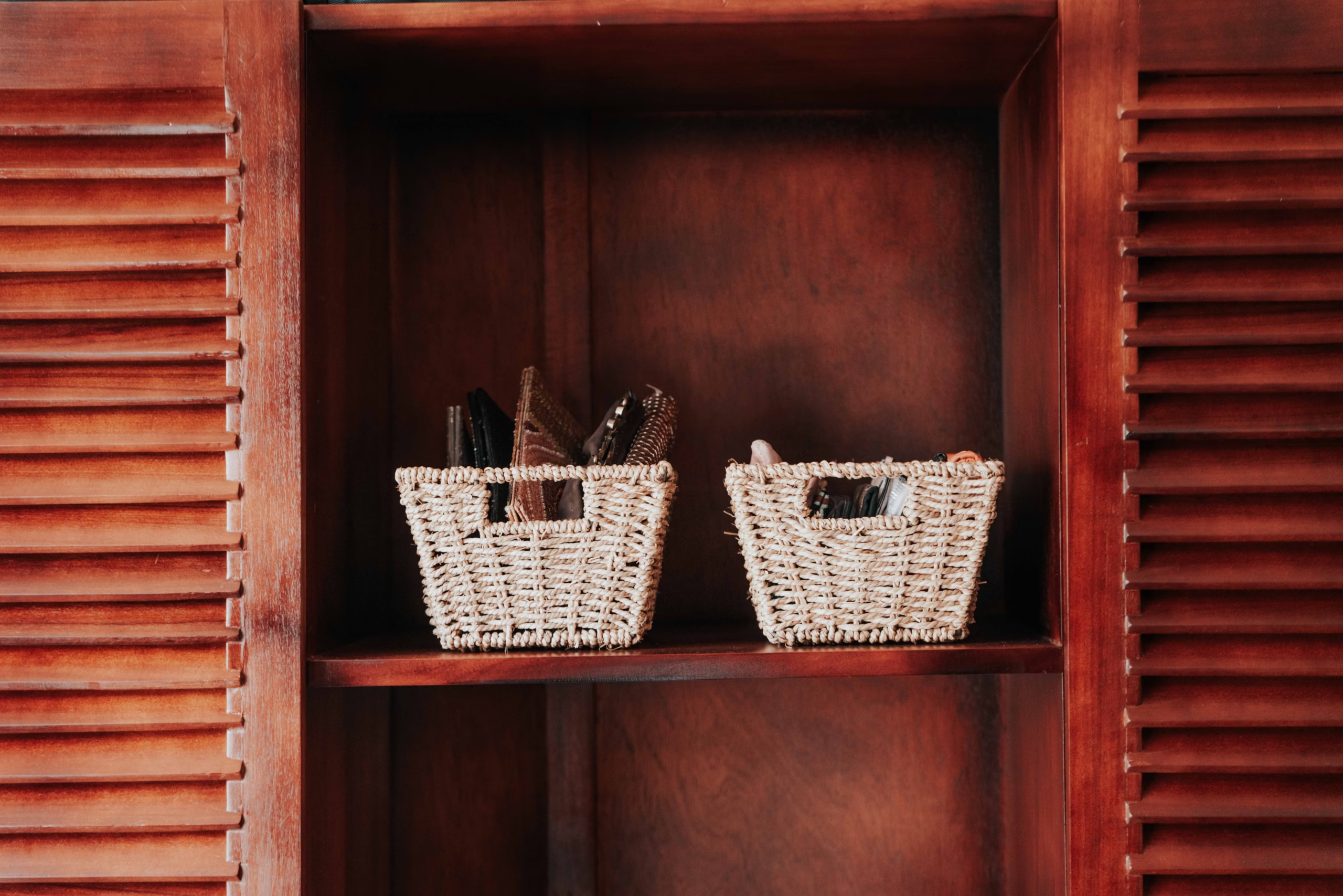
Good storage should solve a real problem, fit the space, and remain easy to use. Consider material, capacity, access and how often you will need to move or clean the item.
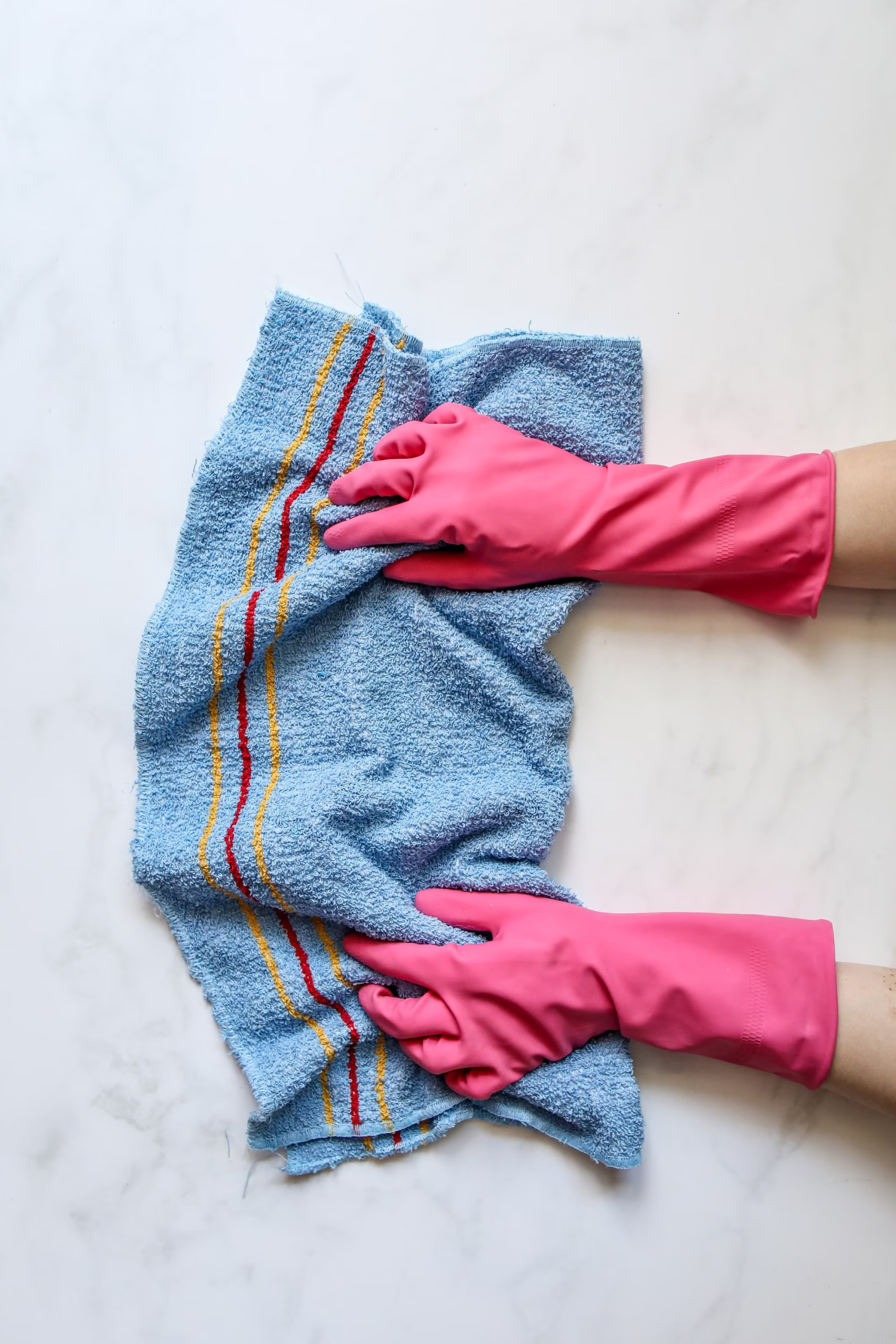
Cleaning becomes easier when small tasks happen before they become large ones. Wipe kitchen surfaces after cooking, return items after use and keep reusable cloths in a convenient place.
A functional desk is less about having more accessories and more about reducing friction. Keep writing tools together, route cables neatly and keep the most-used items within arm’s reach.
A living room can feel new without major furniture changes. Introduce a fresh cushion cover, a soft throw, a small planter or a tidy catch-all to update the room while keeping the larger pieces.
A well-organized pantry is easier to shop, easier to clean and easier to cook from. Group grains, snacks, spices and baking ingredients together, and use clear containers for items that are frequently opened.
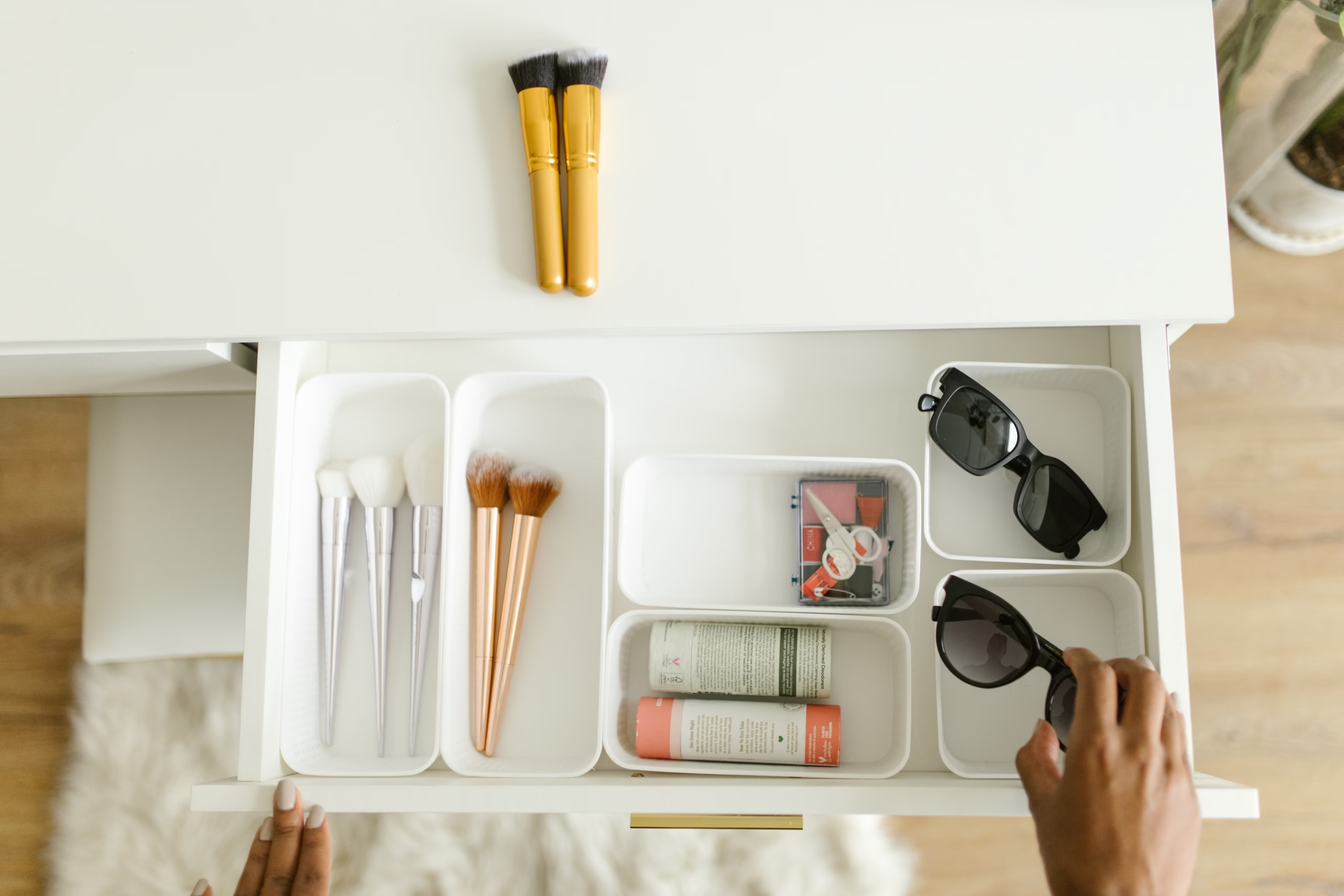
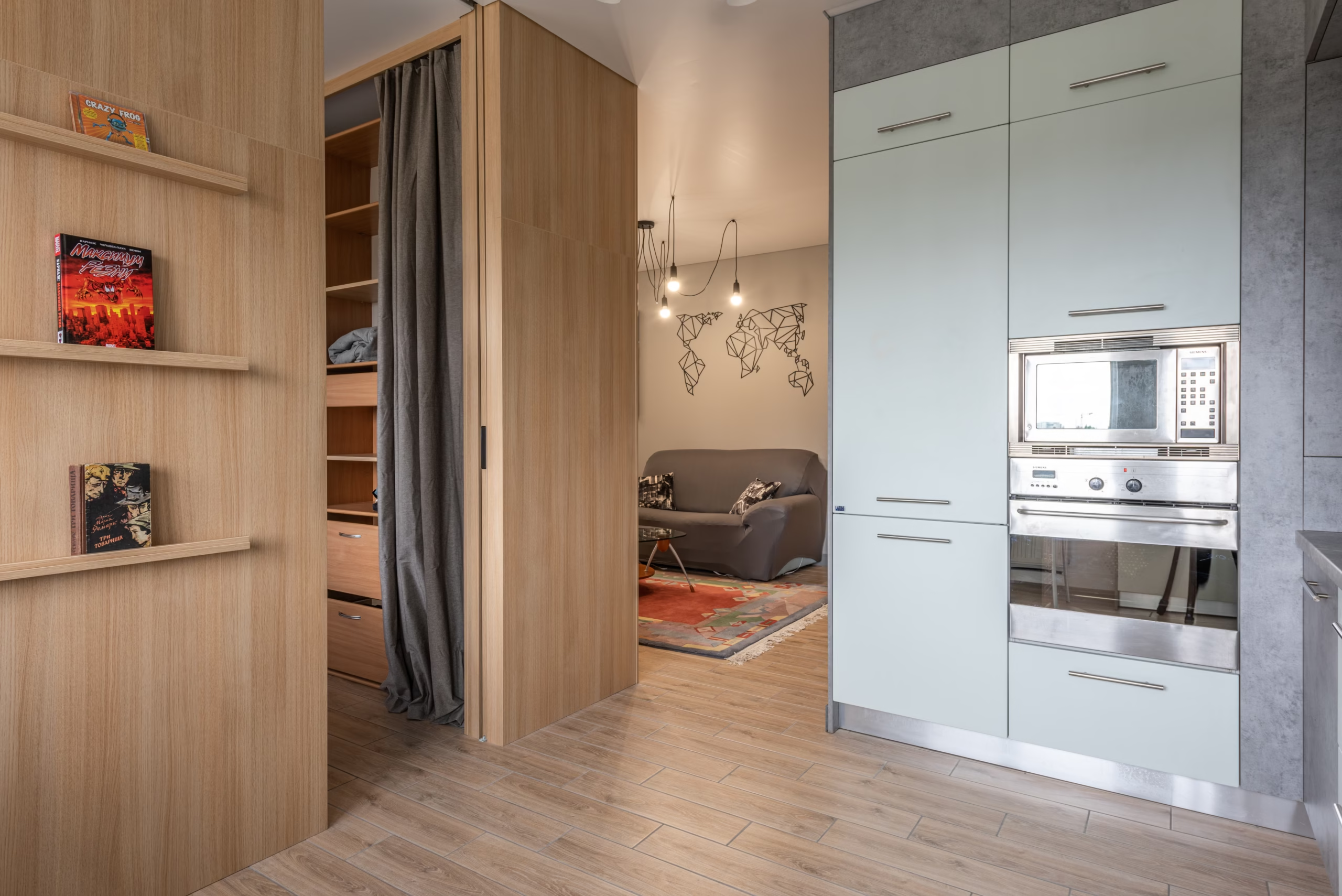
Small homes benefit from storage that works vertically and serves more than one purpose. Wall-mounted organizers, foldable ottomans and drawer dividers can add useful capacity without taking up much floor space.
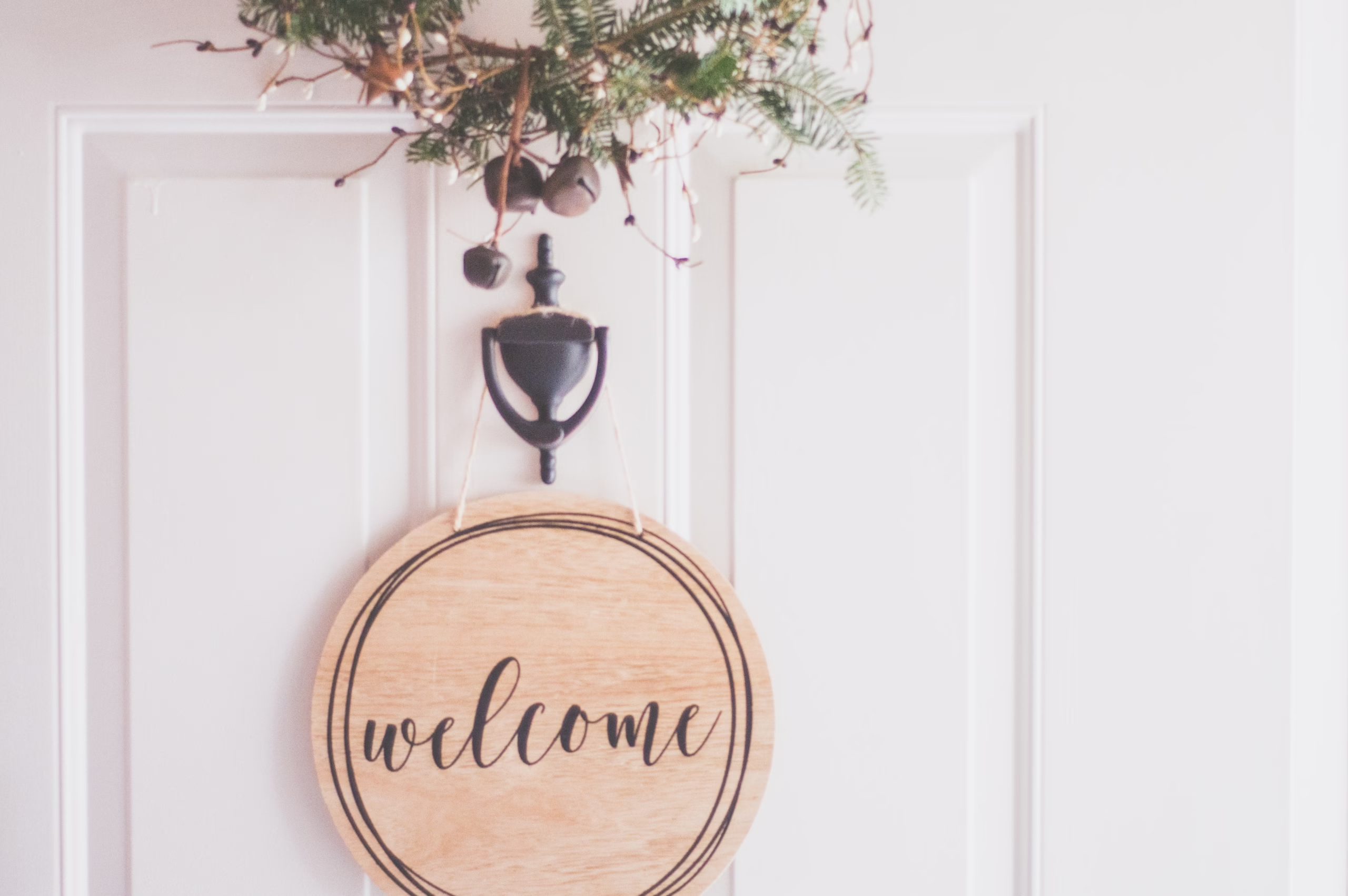
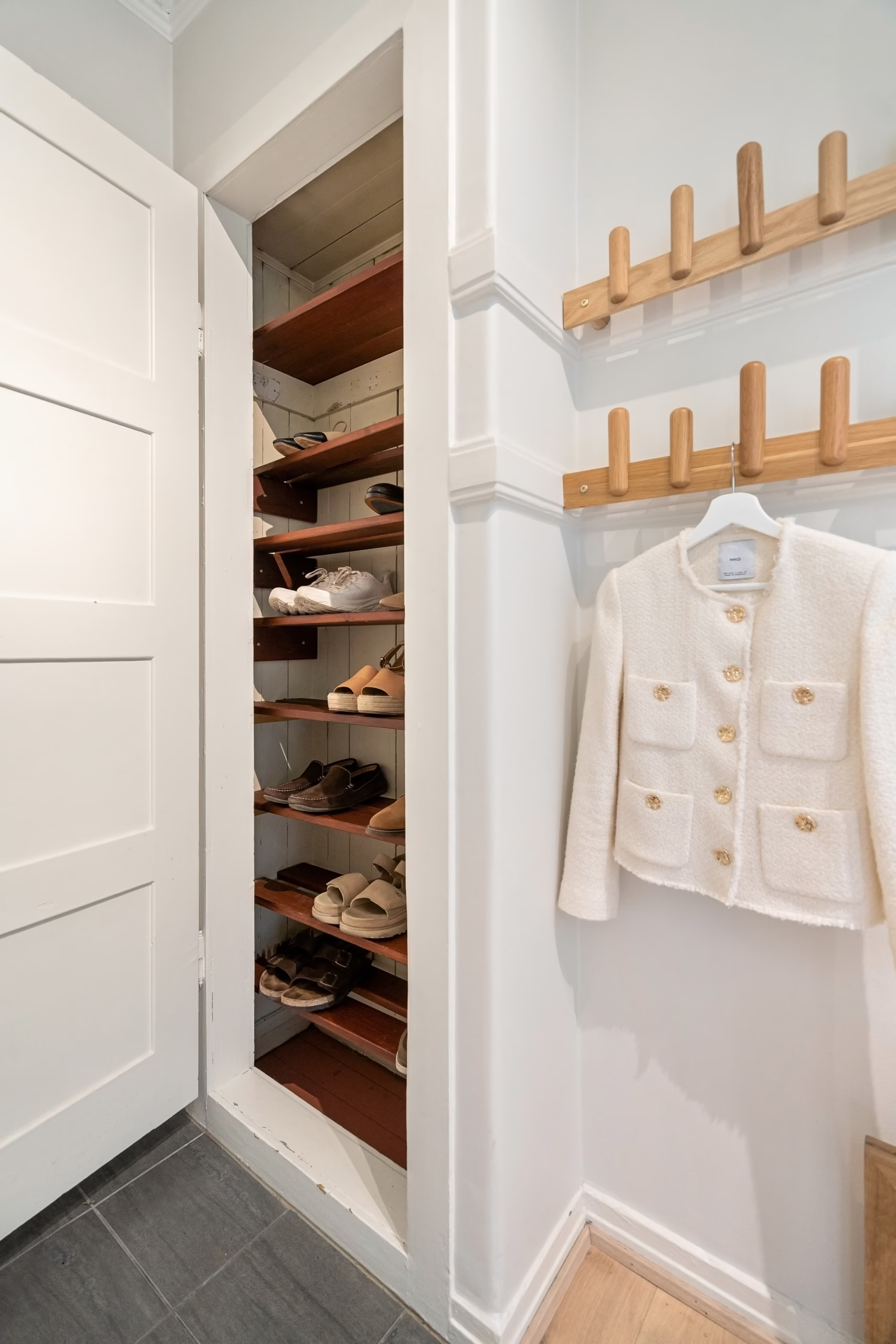
The entryway sets the tone for the rest of the home. A small catch-all bowl, wall organizer and a designated place for bags or shoes can prevent clutter from spreading into living areas.
Kitchen organization does not need a full renovation. Start by grouping similar items, moving everyday tools closer to where you use them, and giving loose ingredients a dedicated home. Small containers, drawer dividers and labeled shelves can make daily routines feel noticeably easier.